
Mindfulness on the Go: Simple Exercises for Busy Lives

Mindfulness on the Go: Simple Exercises for Busy Lives
Small moments of presence that make a real difference
When life feels full—meetings, family responsibilities, deadlines, and endless to-do lists—mindfulness can start to sound like another task you don’t have time for. Many people imagine mindfulness as long meditations, quiet rooms, or empty schedules. In reality, mindfulness is most powerful when it’s simple, flexible, and woven into everyday life.
Mindfulness isn’t about doing more. It’s about being with what’s already happening—with a little more awareness and a lot less judgment.
What Mindfulness Really Is
At its core, mindfulness is the practice of paying attention to the present moment, on purpose. That moment might include calm, stress, distraction, or even discomfort. The goal isn’t to feel better instantly—it’s to notice what’s here, without fighting it.
For busy lives, mindfulness works best when it’s:
Brief
Practical
Kind to your nervous system
Even 30 seconds of presence can create a meaningful shift.
Why Mindfulness Helps When You’re Busy
When we rush from one thing to the next, our nervous system often stays in a low-grade state of urgency. Over time, this can show up as anxiety, irritability, disconnection, or exhaustion. Mindfulness interrupts that pattern by gently signaling safety.
People often notice that regular, short mindfulness practices help them:
Feel less reactive
Make clearer decisions
Stay more emotionally present with others
Reduce mental overload
It’s not about slowing life down—it’s about meeting life with more steadiness.
Simple Mindfulness Exercises You Can Do Anywhere
1. One-Breath Reset
This is the most accessible form of mindfulness.
Pause for a single breath
Inhale through your nose
Exhale slowly through your mouth
That’s it.
One conscious breath can interrupt autopilot and bring you back into your body.
2. Grounding Through the Senses (30–60 seconds)
Wherever you are, silently notice:
3 things you can see
2 things you can feel in your body
1 thing you can hear
This helps anchor attention in the present moment, especially during stress or overwhelm.
3. Mindful Transitions
Transitions are powerful mindfulness opportunities.
Try bringing awareness to:
Walking from your car to work
Washing your hands
Opening your laptop
Instead of rushing to the next task, notice the movement, temperature, or sensation involved. These moments help your nervous system shift gears.
4. Body Check-In
Once or twice a day, ask yourself:
Where do I feel tension right now?
Can I soften that area just a little?
There’s no need to fix anything. Awareness alone often reduces intensity.
5. Name the Moment
Silently naming what’s happening can create space:
“I’m feeling rushed.”
“I’m noticing worry.”
“I’m tired right now.”
This simple act can reduce emotional overwhelm and increase self-compassion.
Mindfulness Without Pressure
Mindfulness is not about clearing your mind, being calm all the time, or doing it “right.” Some days it will feel grounding; other days it may simply help you notice how overwhelmed you are—and that still counts.
If mindfulness ever feels like another thing you should be doing, that’s a sign to simplify. Less effort, shorter practices, and more kindness usually lead to better results.
Mindfulness as Part of Therapy
In counselling, mindfulness is often used to:
Increase emotional awareness
Support nervous system regulation
Help people respond rather than react
Build tolerance for difficult emotions
It’s never forced and always adapted to your pace and needs.
A Gentle Reminder
You don’t need to step away from your life to be mindful. Presence can happen in the middle of it—between emails, during a walk, or while taking a breath before responding.
Small moments of awareness, practiced consistently, can create meaningful change over time.
If you’re curious about incorporating mindfulness into your daily life or therapy journey, it’s something we can explore together—simply, gently, and in a way that fits your real life.
— Roma Villa Counselling
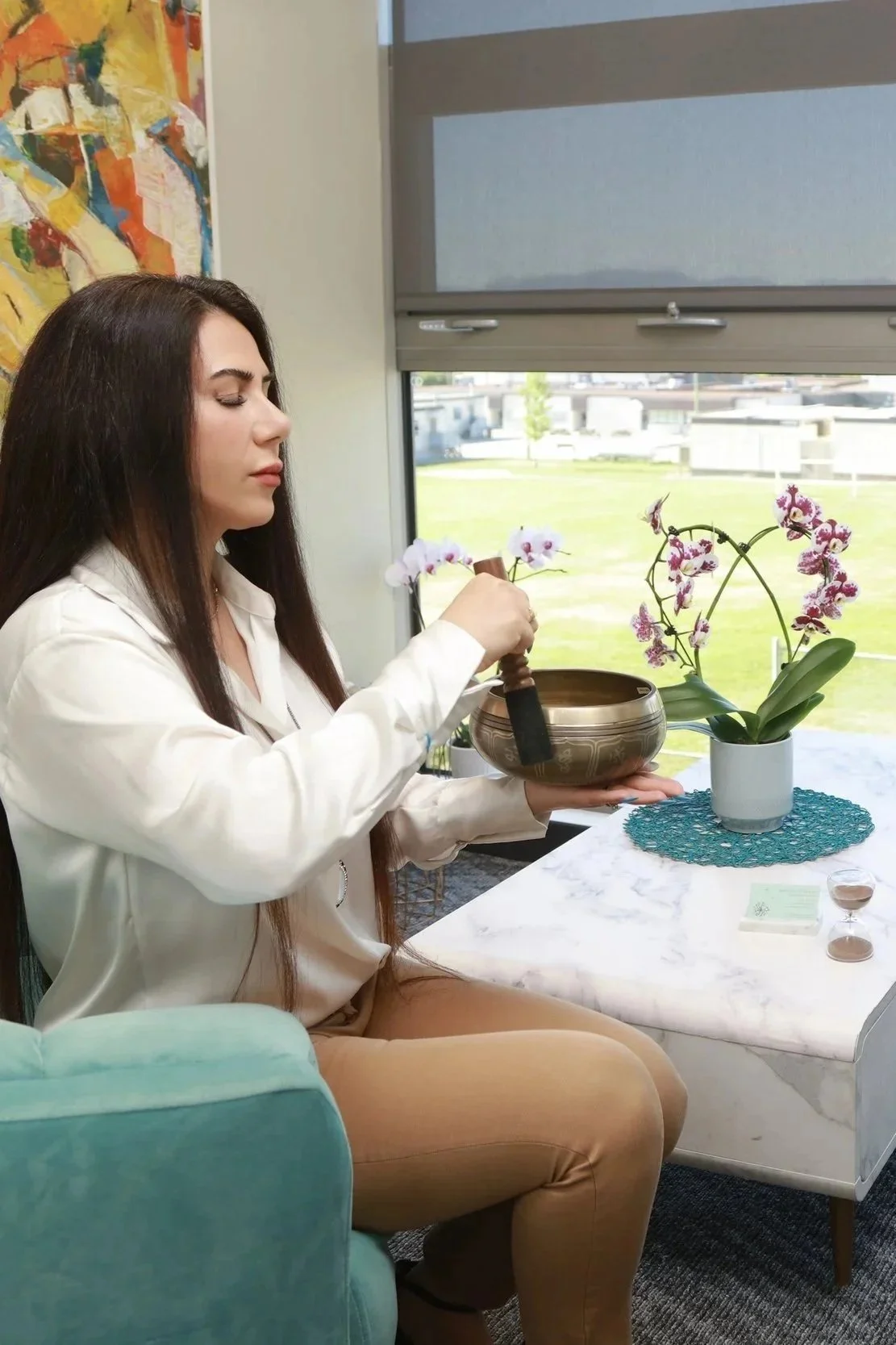
Hi, I’m Mahsa, therapist based in Langley, B.C. I’m here to help you feel better.
If mindfulness feels challenging or unfamiliar, you’re not alone. There is no right way to be present—only your way. Therapy is a space where we gently explore what helps you feel more grounded, aware, and at ease in your daily life.
— Mahsa
Roma Villa Counselling
Let’s connect